The Right Equipment Depends on the Work
Ladders are a practical choice for many jobs, especially when you need quick access to one area. However, some projects require more room to move, longer periods at working height, or space for tools and materials. In those situations, scaffolding may provide a more practical setup.
At Beth-Allen Ladder & Equipment, we help contractors, maintenance crews, painters, remodelers, and property owners choose access equipment based on the job they need to complete. The goal is not simply to reach the work area. You also need equipment that supports the way the work will be performed.
How Long Will You Be Working at Height?
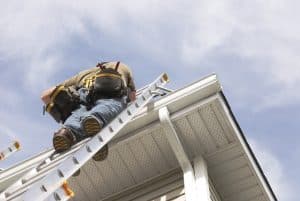
A ladder may work well for a quick inspection, minor repair, or short task. When a project requires you to remain at the same height for an extended period, scaffolding can provide a larger working platform.
Painters, siding installers, masons, drywall professionals, and other contractors may need to move across a wider section of a wall while keeping supplies nearby. Repeatedly climbing down, moving a ladder, and climbing back up can slow the job and create unnecessary fatigue.
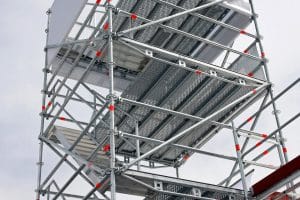
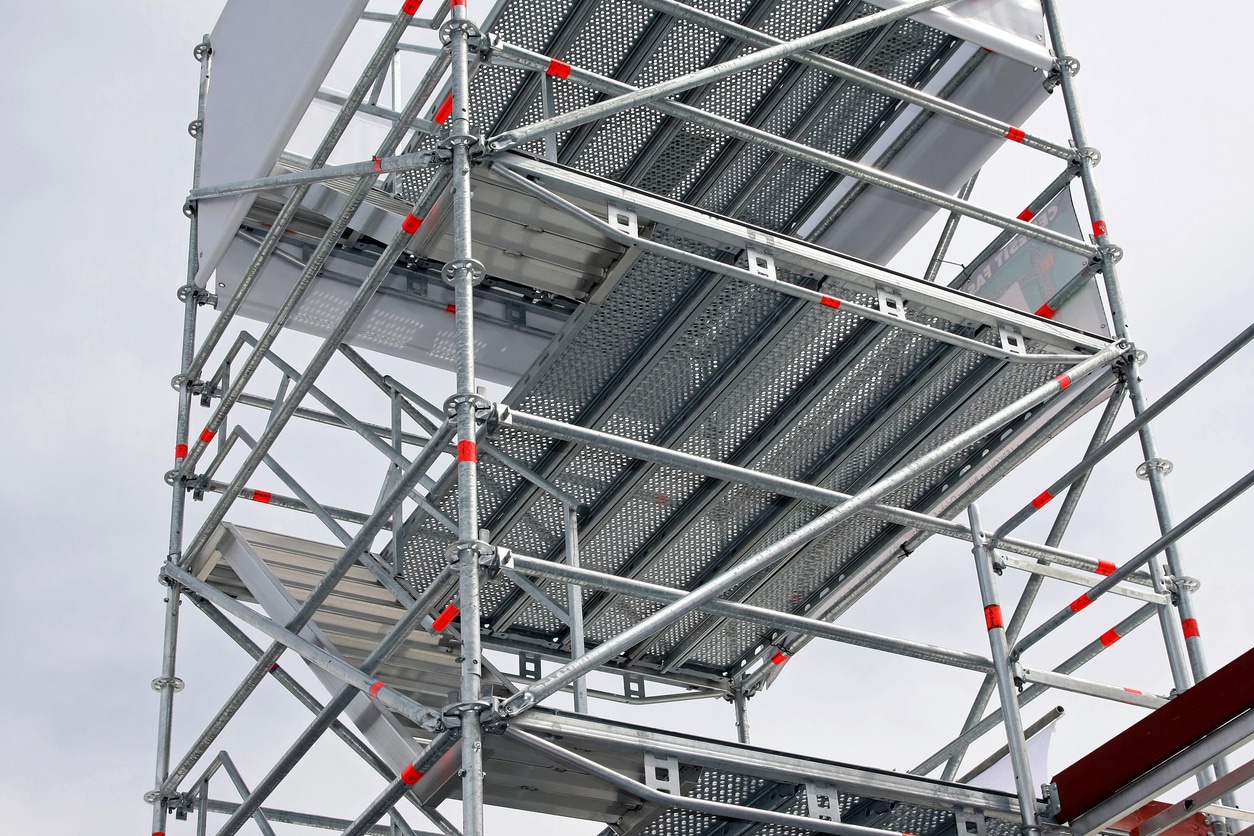
A scaffold platform allows the user to work across a larger area without repositioning the entire setup as frequently.
Do You Need Both Hands for the Task?
Many projects require steady control of tools, materials, and equipment. A worker may need to handle a paint roller, drill, trowel, siding panel, or other item while maintaining a stable working position.
A ladder is designed primarily for climbing and short-duration access. Scaffolding provides a platform where workers can stand while completing tasks that require more movement or the use of both hands.
The exact setup still needs to match the application. Platform height, load requirements, guardrails, outriggers, casters, leveling components, and other accessories should all be considered before work begins.
How Wide Is the Work Area?
The size of the project can help determine whether a ladder or scaffold is the better option. Replacing one exterior light may only require access to a single point. Painting a long wall or repairing several sections of siding may involve a much wider area.
Scaffolding can make it easier to work horizontally without repeatedly returning to the ground. This can be especially useful when the quality of the finished work depends on maintaining a steady pace across the surface.
Before selecting equipment, think about whether you will remain in one position or need to move several feet in either direction.
Will You Be Carrying Tools and Materials?
Carrying tools up and down a ladder can be inconvenient, and trying to hold too many items while climbing is never a good approach. Scaffolding may provide more usable space for certain tools and materials, provided the equipment is set up correctly and its load limits are followed.
The weight of workers, tools, supplies, and platform components all needs to be considered. Equipment should never be overloaded or used in a configuration that was not designed for the system.
We carry scaffold components and accessories in multiple sizes, making it easier to build a setup that matches the height and width of the job.
What Type of Scaffolding Do You Need?
There is no single scaffold that works for every project. A Baker scaffold may be useful for interior work and other tasks requiring a mobile platform. Frame scaffolding may be more appropriate for larger exterior or construction projects.
Depending on the setup, you may also need cross braces, guardrails, outriggers, leveling jacks, casters, side brackets, stacking pins, or other compatible components.
Accessories, attachments, and replacement parts should be designed for the equipment being used. Mixing incompatible pieces may affect how the system fits and performs.
When Is a Ladder Still the Better Choice?
Scaffolding is not automatically better for every elevated task. A ladder may be more efficient when the work is brief, the access point is narrow, the equipment must be moved frequently, or there is not enough room for a scaffold setup.
The best decision comes from considering the height, working area, project duration, surface conditions, tools, and materials involved. When you are not sure which option fits the job, it helps to speak with someone who understands professional access equipment.
Get the Right Access Equipment for the Job
Beth-Allen Ladder & Equipment carries Baker scaffolds, frame scaffolding, cross braces, guardrails, outriggers, leveling jacks, casters, and other scaffold components. We also supply professional ladders, aluminum staging, pump jack systems, and fall-protection equipment.
Visit our location near Allentown and Bethlehem or contact us to discuss your project. Tell us what you are working on, the height you need to reach, and how the equipment will be used. Our team will help you find a practical setup for the job.